
Conditions2026-09-08T15:28:54-07:00

Conditions We Treat

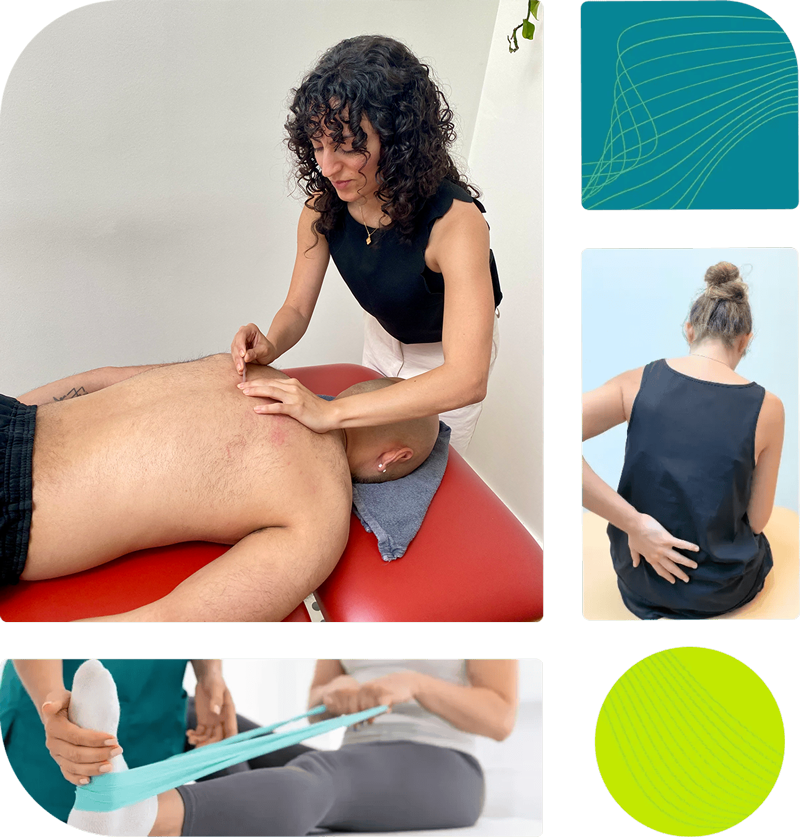
Pain and movement limitations can come from many different sources, but they rarely exist in isolation. At Cadence Physio & Rehab, we take a whole-body approach to understand the underlying cause of discomfort and dysfunction.

Whether you’re dealing with a recent injury or long-standing pain, our goal is to restore healthy movement, relieve symptoms, and help you return to daily life, work, and sport with confidence.
Schedule Appointment

Book your appointment in just a few clicks. Our team will be in touch shortly to confirm your visit and answer any questions.

Name(Required)
what we do

At Cadence Physio & Rehab, we deliver whole-body physiotherapy focused on understanding how your body truly moves. Through detailed assessment, movement analysis, and longer one-on-one sessions, we uncover the root cause of pain and dysfunction — not just the symptoms.

Frequently Ask Question

Commonly Asked Questions & Answers

Have questions about our approach, treatments, or what to expect during your visit? We’ve gathered answers to the most common questions to help you feel informed, comfortable, and confident before booking your appointment.

Do you offer direct billing?2026-08-18T15:15:57-07:00

Yes, we offer direct billing to many insurance providers when available. Please bring your insurance information to your appointment, and our team will be happy to help submit your claim on your behalf. Coverage varies by plan, so we recommend checking with your insurance provider if you have questions about what is included.

How Long Will It Take To Reduce My Pain?2026-08-18T15:15:57-07:00

Many patients experience noticeable relief within their first few sessions. However, because everybody moves differently, your exact timeline depends on whether your pain is from a sudden acute injury or a long-standing, chronic issue.

The Quick Fix: Our initial priority is always comfort, using hands-on therapy and targeted strategies to calm your nervous system and reduce immediate pain quickly.

The Lasting Result: True recovery takes a bit longer. Once the initial pain quietens down, we focus on rebuilding your movement patterns and strength, so the issue doesn’t return.

During your 60-minute initial one-on-one assessment, we will map out the underlying drivers of your pain and provide a clear, personalized treatment plan with a timeline tailored entirely to your goals.

Do You Treat Hypermobility?2026-08-18T15:15:57-07:00

Yes, absolutely. We have specialized clinical experience working with individuals navigating Hypermobility Spectrum Disorders and Ehlers-Danlos Syndrome (EDS).

Traditional, cookie-cutter physiotherapy protocols often miss the mark with hypermobile bodies because they focus too much on generic stretching. Our approach is entirely different:

Building Stability: We focus on precise joint stability and improving your body’s spatial awareness (proprioception).

Targeted Strength: We design custom, low-impact loading programs to strengthen the muscles supporting your lax joints.

Pacing & Support: We understand that hypermobile nervous systems can be sensitive, so we tailor our manual therapies and exercise progressions to ensure you feel safe, supported, and in control of your movement.

When the Pain Goes Away, Does This Mean I’ve Fully Recovered from My Injury?2026-08-18T15:15:57-07:00

Not necessarily. Pain is simply your body’s alarm system. When the pain fades, it usually means the immediate tissue distress or inflammation has calmed down—but it doesn’t mean the root cause is fixed.

Think of it like this: if you turn off a smoke detector, the underlying fire might still be smoldering. If you return to full activity the moment you are pain-free without addressing why the injury happened, your body will rely on old movement compensations, heavily increasing the risk of the pain coming right back.

Our job isn’t just to silence the alarm; it’s to fix the structural vulnerabilities, restore your full physical capacity, and prevent re-injury for the long term.

Does a Previous Injury Relate to My Current Pain?2026-08-18T15:15:57-07:00

Great question! Often the body is very good at compensating for previous injuries and so previous injuries can have a significant impact on your current discomfort. During your initial assessment, your physiotherapist will discuss your previous injury history and timeline to identify any connections between your past injuries and your present pain.

In order to determine the root cause of what’s currently going on, your physiotherapist will then complete a detailed assessment of the body including areas that are currently bothering you and areas that may have been involved in previous injuries.

The body is really good at compensating for previous injuries and sometimes old movement patterns continue to occur even after an injury has been healed. By assessing previous injuries, we aim to uncover the underlying cause of what’s driving your pain today.

our location

Conveniently located at Broadway & Cambie

Contact Information
Clinic Address

#706-550 W Broadway, Vancouver,
BC, V5Z 0E9, Canada
(Located in the Neelu Bachra Centre)

Go to Top